Watercolor Halloween Candy Buckets Review
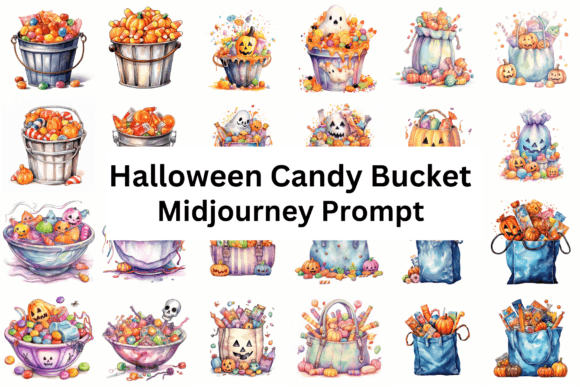
As an embroidery designer who has stitched out countless seasonal files for both personal enjoyment and client commissions, I approach new digital assets with a critical eye. When evaluating the Watercolor Halloween Candy Buckets design, my first thought isn't just about how cute it looks on screen, but how those soft, painterly edges will translate into actual thread on fabric. This machine embroidery design falls squarely into the Illustrations category, offering a whimsical alternative to the sharp lines and heavy satin stitches typical of traditional holiday embroidery. The mood is nostalgic and gentle, evoking memories of vintage storybooks rather than modern vector art. For makers and small business owners, this aesthetic distinction is crucial because it dictates exactly where this design will succeed and where it might struggle in a commercial or gifting context.
Translating Painterly Details to Thread
The immediate challenge and beauty of any watercolor-style embroidery file is managing stitch density without losing that signature softness. In reviewing Watercolor Halloween Candy Buckets, I looked specifically at how the color blending is achieved. Unlike standard fill stitches that create solid blocks of color, this design likely relies on varying thread colors and lighter density fills to mimic brushstrokes. For a sweatshirt embroidery project or a custom apparel piece, this is generally advantageous because it reduces the overall stitch count and prevents the garment from becoming stiff or bulletproof. However, this also means the design requires precise registration. If your machine’s tension is off or your hooping is loose, those delicate color transitions can look messy rather than artistic. I recommend running a test stitch-out on scrap fabric that matches your final project weight to ensure the layering sequence builds up correctly without gaps or excessive puckering.
Real-World Application: The Custom Tote Bag Test
To truly judge the viability of this design, I mentally placed it onto a canvas tote bag, a staple product for Etsy sellers and craft fair vendors during the autumn season. A tote bag design needs to be durable enough to withstand use while maintaining visual appeal. Watercolor Halloween Candy Buckets feels ideally suited for this application because the organic edges of the illustration hide minor imperfections better than rigid geometric designs. When stitching this onto natural canvas or linen, the texture of the fabric actually enhances the watercolor effect, making the finished product feel more handmade and artisanal. For a personalized gift, such as a trick-or-treat bag for a child, this design offers a unique value proposition. It avoids the generic, mass-produced look of store-bought items, allowing creative entrepreneurs to charge a premium for the bespoke, illustrative quality that customers actively seek in boutique products.
Fabric Compatibility and Stabilizer Strategy
While the design shines on stable woven fabrics, caution is necessary when applying it to stretchy or textured materials. If you are planning baby embroidery on a knit onesie or holiday embroidery on a ribbed sweater, the open nature of watercolor digitizing can be unforgiving. Stretchy fabrics tend to shift between color changes, which can ruin the alignment of detailed illustrations. In these cases, using a high-quality cut-away stabilizer is non-negotiable. I would also advise against using this specific design on high-pile fabrics like terry cloth or fleece unless you use a water-soluble topping; otherwise, the fine details of the candy buckets will get lost in the nap. For dark fabrics, verify that the embroidery file includes a proper underlay or white base layer. Watercolor effects often rely on the fabric showing through, so stitching light pastel threads directly onto black cotton will result in muddy, invisible details unless the digitizer has accounted for contrast.
Commercial Viability for Makers and Sellers
For those running a craft business or managing an online shop, the versatility of Watercolor Halloween Candy Buckets extends beyond physical goods. Because of its illustrative style, this design works exceptionally well for printable mockups and digital product previews. The soft aesthetic photographs beautifully, helping to drive buyer engagement on social media platforms where visual cohesion matters. However, before listing any finished product or digital embroidery file for sale, you must confirm the licensing terms. Ensure you have the right to sell physical items featuring this design commercially. From a branding perspective, this design helps establish a shop identity that feels curated and thoughtful. It pairs well with other vintage or cottagecore assets, creating a consistent brand narrative that attracts a specific demographic of buyers looking for nostalgic holiday decor rather than spooky or scary themes.
Technical Considerations Before Stitching
Before committing this design to a final embroidered patch or pillow cover, take time to review the technical specifications provided by the creator. Check the hoop size requirements carefully; resizing watercolor designs can sometimes distort the delicate shading gradients or alter the stitch density unpredictably. If you need to adjust the size, do so within the recommended percentage range specified by the digitizer. Inspect the thread colors list to see if it calls for specialty variegated threads or standard solid colors. Using the wrong thread type can fundamentally change the outcome of a watercolor illustration. Additionally, consider the longevity of the item. While beautiful, lower-density artistic stitches may not hold up to frequent industrial washing as well as dense satin stitch logos. Advise customers purchasing custom apparel or tea towels to wash gently and air dry to preserve the integrity of the illustration.
Elevating the Handmade Presentation
Ultimately, Watercolor Halloween Candy Buckets succeeds because it bridges the gap between digital precision and hand-painted charm. For embroidery designers and hobbyists, it offers a refreshing break from standard seasonal motifs. Whether you are creating a nursery decor piece, a kitchen towel set, or a limited-run capsule collection for your small shop, this design brings a level of sophistication that elevates the perceived value of your work. Just remember that the success of any artistic embroidery project lies in the preparation. Test your stabilizer, verify your thread contrast, and respect the fabric's limitations. By treating this digital asset with professional care, you transform a simple file into a cherished handmade product that resonates with customers and celebrates the artistry of machine embroidery.