Watercolor Leaf and Flower Set: A Stitch-Test Review
As an embroidery designer who has digitized and tested thousands of files, I approach every new machine embroidery design with a healthy dose of skepticism. We have all purchased beautiful digital assets that look stunning on screen but turn into thread nests or stiff cardboard patches once they hit the hoop. When evaluating the Watercolor Leaf and Flower Set for my current lineup of botanical projects, my primary concern was not just aesthetic beauty, but structural integrity on fabric. This review breaks down how this specific set performs when moved from a digital preview to a tangible, sellable product.
First Impressions and Visual Personality
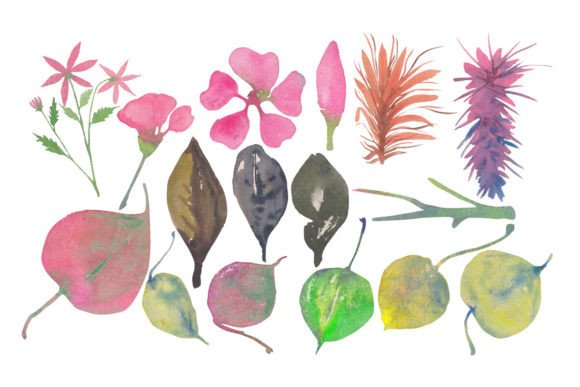
The immediate appeal of the Watercolor Leaf and Flower Set lies in its organic softness. Unlike rigid, traditional floral designs that rely heavily on dense satin stitch borders, this collection mimics the fluidity of painted illustrations. For a designer, this suggests a reliance on complex fill stitches and running stitch details to create shading rather than solid blocks of thread. The mood is undeniably romantic and vintage, making it a strong candidate for spring collections, wedding goods, and nursery decor. However, as a reviewer, I immediately looked for potential registration issues. Watercolor-style embroidery requires precise layering; if the underlay is insufficient or the pull compensation is off, those delicate petal edges will gap against the background fabric. Fortunately, the visual personality here feels intentional rather than accidental, suggesting a digitizer who understands how thread interacts with light.
Real-World Application: The Linen Tote Bag Test
To truly evaluate this set, I bypassed standard quilting cotton and went straight for a textured linen tote bag. This is a common Etsy seller staple and a rigorous test for any botanical design. Linen has a loose weave that can swallow fine details, and tote bags require durability. I selected a mid-sized arrangement from the set to serve as a central focal point.
During the stitching process, I paid close attention to how the design handled the fabric texture. The Watercolor Leaf and Flower Set performed admirably because the stitch direction varied naturally. Instead of fighting the linen’s grain, the design seemed to work with it. The leaves utilized a lighter density fill that allowed the fabric to show through slightly, enhancing the watercolor illusion without creating a bulletproof patch. For custom apparel or bag makers, this is crucial. You want the embroidery to feel integrated into the item, not slapped on top of it. The final result on the tote was professional and boutique-ready, possessing enough detail to justify a premium price point while remaining soft to the touch.
Versatility Across Products and Fabrics
Beyond tote bags, this set shows significant promise for various handmade product categories. The scalability of the individual elements allows for flexible application:
- Sweatshirt Embroidery: The larger florals work beautifully on fleece or French terry. Because the design avoids excessive density, it prevents the garment from becoming heavy or distorted, which is a common complaint with large botanical back pieces.
- Baby Embroidery: Smaller leaf clusters are ideal for onesies and bibs. The softer stitch structure is safer and more comfortable against sensitive skin compared to dense satin stitch flowers.
- Holiday Embroidery: While inherently spring-like, the muted tones often found in watercolor sets transition easily into autumn or winter palettes simply by changing thread colors, extending the commercial viability of the asset.
- Printable Mockups: For digital product sellers, the high-resolution nature of these illustrations translates well to mockups, helping customers visualize the finished product before purchase.
Critical Considerations: Where to Proceed with Caution
No design is universal, and the Watercolor Leaf and Flower Set has limitations that every craft business owner must respect. The very attributes that make it beautiful—delicate lines and painterly shading—make it vulnerable on certain substrates.
I would advise extreme caution when using this set on highly stretchy performance fabrics or thin knits without aggressive stabilization. The intricate running stitch details can tunnel or distort if the fabric shifts during hooping. Similarly, dark fabrics present a challenge. Watercolor effects often rely on the contrast between thread and fabric base. On black or navy material, you lose the subtle shading gradients unless you stitch a white underbase first, which adds density and changes the hand of the garment. Always test on a scrap of your actual project fabric first.
Furthermore, be mindful of curved surfaces like caps. While some elements may wrap nicely, complex multi-directional fills in watercolor designs can struggle with the compound curve of a hat brim. Stick to flatter items or simple single-color accents for headwear. Also, consider washability. If you are creating tea towels or baby items destined for frequent laundering, verify that the decorative running stitches are secured properly. Loose threads in a watercolor effect can snag easily in washing machines.
Designer Notes for Professional Results
To maximize the value of this digital embroidery file and ensure customer satisfaction, follow these practical guidelines derived from my testing:
- Stabilizer Selection is Non-Negotiable: Do not rely solely on tear-away stabilizer for this style. Use a medium-weight cutaway for garments to support the varied stitch angles, or a fusible mesh for lightweight fabrics. The goal is to prevent puckering around those delicate leaf tips.
- Thread Color Contrast: Before committing to a production run, test your palette on the actual fabric. Watercolor designs depend on tonal variation. If your thread colors are too similar in value, the design will read as a flat blob rather than a dimensional illustration.
- Check Licensing for Commercial Use: If you plan to sell finished products or use these as part of a larger design asset package, confirm the specific license terms included with the Watercolor Leaf and Flower Set. Protecting your business means respecting intellectual property.
- Hoop Size Verification: Ensure your hoop size accommodates the design with adequate margin. Crowding the hoop edges can cause tension issues that ruin the registration of fine details.
- Maintain Brand Consistency: If adding text, choose fonts that complement the organic flow. A rigid block font will clash with the watercolor aesthetic. Opt for hand-lettered scripts or serif fonts with varying stroke widths.
Final Verdict on Value and Appeal
In the crowded market of botanical embroidery, the Watercolor Leaf and Flower Set distinguishes itself through its artistic maturity. It avoids the clip-art trap, offering instead a sophisticated aesthetic that elevates the perceived value of any finished product. For Etsy sellers and small shop owners, this translates directly to buyer engagement. Customers are drawn to items that feel bespoke and artful rather than mass-produced.
From a technical standpoint, the design respects the medium of machine embroidery. It balances visual complexity with stitch efficiency, reducing the risk of production errors while maintaining high visual impact. Whether you are personalizing a gift, stocking a boutique, or expanding your digital library, this set offers reliable versatility. Just remember to treat it with the technical respect that watercolor-style digitizing demands. Test thoroughly, stabilize correctly, and let the organic beauty of the design speak for itself. When executed well, this set is not just a collection of flowers; it is a foundational asset for building a cohesive, professional embroidery brand.