Watercolor Lemon Sublimation: An Embroidery Review
As a designer who spends more time behind an embroidery machine than at a computer, I approach every new digital asset with a healthy dose of skepticism. When evaluating Watercolor Lemon Sublimation for potential use in my studio, my first thought isn't about how pretty the screen preview looks; it is about how those pixels will translate into thread tension and fabric drape. This design falls under the category of Illustrations, which often presents unique challenges for stitchers accustomed to traditional digitizing. The watercolor aesthetic relies on soft gradients and organic edges, elements that do not always play nicely with the rigid grid of machine embroidery.
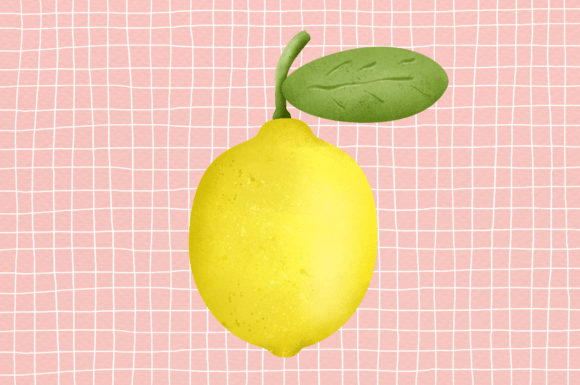
My initial impression of this Watercolor Lemon Sublimation file is one of cheerful versatility. It captures a fresh, summery mood without feeling juvenile. However, as someone creating products for real clients, I immediately began mentally dissecting the layout. The shape is distinct, but the "watercolor" aspect suggests areas of varying opacity. In sublimation, this is seamless. In embroidery, we must interpret these soft washes through specific stitch types. If you are planning to adapt this visual style into a stitched format, or if you are using the sublimation print as a background for embroidered text, understanding the interplay between ink and thread is vital for a professional finished product.
Real-World Application: The Custom Tote Bag Test
To truly judge the viability of this design, I envisioned a specific project: a custom canvas tote bag for a local farmer’s market vendor. This scenario tests both durability and aesthetic appeal. A tote bag design needs to be legible from a distance and robust enough to withstand being tossed onto wooden tables and washed frequently.
When applying Watercolor Lemon Sublimation to this context, the visual weight matters. On natural canvas, the bright yellows and soft greens of the lemon illustration provide excellent contrast against the unbleached fabric texture. For a handmade product like this, I considered combining the sublimated lemon image with satin stitch lettering for the vendor's name. The risk here lies in registration. If the embroidery file meant to accompany this illustration has too much stitch density, it could pucker the canvas, distorting the beautiful watercolor print beneath it. Conversely, if the stitches are too sparse, they might get lost visually against the vibrant sublimation ink. In my assessment, this design shines best when treated as a focal point where the thread enhances rather than competes with the printed art.
Fabric Compatibility and Project Suitability
Not every embroidery project is created equal, and Watercolor Lemon Sublimation performs differently across various substrates. Based on my experience with similar illustrative assets, here is how I rate its suitability for common commercial and personal applications:
- Sweatshirt Embroidery: Excellent choice. The fleece texture of sweatshirts absorbs sublimation ink beautifully, creating a vintage feel. If adding stitch accents, keep them minimal to maintain the garment's softness.
- Baby Embroidery: Proceed with caution. While the lemon theme is adorable for nursery decor or bibs, ensure any accompanying embroidery uses soft fill stitch or running stitch rather than dense satin columns to prevent irritation against sensitive skin.
- Kitchen Textiles: Tea towels and aprons are ideal candidates. The citrus theme is contextually perfect. These items are usually cotton or poly-cotton blends, which accept sublimation well and provide a stable base for light embroidery accents.
- Caps and Hats: Use carefully. Curved surfaces can distort watercolor gradients during the heat press process. If stitching over the design on a cap, verify that the hoop size allows for adequate clearance and that the design placement avoids the seam lines.
- Patches: This works well for embroidered patches if the watercolor effect is achieved through thread color blending rather than relying solely on the print. For hybrid patches, the sublimation serves as an excellent background filler.
Navigating Technical Constraints and Fabric Limitations
While the aesthetic is forgiving, the technical execution requires attention. I have found that designs in the Illustrations category often lack the built-in compensation that dedicated embroidery files possess. When working with Watercolor Lemon Sublimation, you must be mindful of fabric texture and stability.
On stretchy fabrics like jersey knits or performance wear, the combination of heat pressing and stitching can lead to significant distortion. Always use appropriate stabilizer; a cut-away mesh is usually superior to tear-away for maintaining the integrity of both the print and the stitches. Dark fabrics present another hurdle. Sublimation does not show up on dark textiles unless you use white glitter HTV or bleaching techniques first. If you are layering embroidery over a dark garment, ensure your thread colors have enough contrast to stand out independently of the underlying design.
Furthermore, watch out for tiny details. Watercolor art often features delicate splatters or fine brush strokes. In a digital embroidery file adaptation, these can become jump stitch nightmares or needle breaks. If you are converting this visual into stitches, simplify the small details. A running stitch outline often conveys the same artistic intent as a complex fill stitch but with significantly less risk of puckering or thread buildup.
Impact on Perceived Value and Brand Consistency
For Etsy sellers and small shop owners, product photography is everything. Watercolor Lemon Sublimation offers a distinct advantage in printable mockups because the organic shapes look natural even in digital previews. However, customer trust is built on the accuracy of the final item. If your listing shows a crisp, high-resolution digital render but the received product has misaligned stitches covering the lemon's face, returns will increase.
Professionally executed, this design elevates perceived value. It moves beyond generic clip art into the realm of boutique branding. Whether used for holiday embroidery gifts or summer merchandise, the cohesive look of matched ink and thread signals to the buyer that this is a thoughtful, handmade product rather than mass-produced fast fashion. Just remember to check licensing terms before selling finished items or offering the digital embroidery file itself as a standalone asset.
Designer Notes for Successful Execution
Before committing this design to a client project or inventory run, follow this practical checklist to ensure quality:
- Test Stitch First: Never run a production batch without testing on scrap fabric identical to your final product. Check how the thread colors interact with the sublimated yellow tones.
- Verify Hoop Size: Confirm the dimensions fit your machine’s capabilities without requiring excessive re-hooping, which increases alignment errors.
- Analyze Stitch Density: If adapting the illustration to stitches, reduce density in shaded areas to prevent bulletproofing. Let the fabric breathe.
- Contrast Check: View your thread selection in black and white mode on your machine screen to ensure tonal separation remains clear.
- Wash Testing: Sublimation is permanent, but embroidery threads can bleed or shrink differently than the printed fabric. Wash a test swatch to confirm compatibility.
- Licensing Audit: Double-check whether your purchase includes commercial rights for both physical products and digital design assets.
Watercolor Lemon Sublimation is a delightful asset for the creative entrepreneur, provided it is treated with technical respect. By balancing the fluidity of the illustration with the structural realities of machine embroidery, you can create personalized gifts and commercial products that feel both artisanal and polished. Always let the material guide your process, and your finished product will reflect the care and expertise your customers expect.