Watercolor Highland Cow: An Embroidery Design Review
As a designer who has stitched out thousands of files for both personal joy and commercial client work, I approach every new machine embroidery design with a healthy dose of skepticism. We have all purchased beautiful digital art that translates poorly to thread, resulting in puckered fabric or lost details. When evaluating the Watercolor Highland Cow from the Illustrations category, my primary focus is not just its aesthetic charm, but its structural integrity as an embroidery file. This review breaks down how this specific design performs when moved from a screen to real-world textiles, specifically for makers running a craft business or creating high-stakes personalized gifts.
First Impressions and Artistic Translation
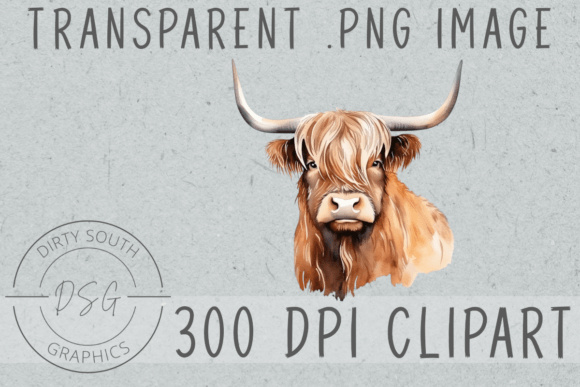
The initial appeal of the Watercolor Highland Cow lies in its softness. Unlike rigid, cartoonish vector art often found in digital embroidery files, this illustration captures the organic, flowing nature of watercolor painting. For an Etsy seller or boutique owner, this mood is critical. It signals "handmade" and "artisanal" rather than mass-produced. However, translating watercolor effects into thread requires sophisticated digitizing. The design must utilize complex fill stitch variations and blending techniques to mimic paint washes without creating bulletproof density.
Visually, the shape of the Highland Cow is naturally suited for embroidery. The shaggy fur provides excellent coverage, allowing for textured stitching that hides minor tension issues better than smooth, flat designs. The layout feels balanced, making it a versatile candidate for center-chest placement on custom apparel or as a focal point on nursery decor. As a reviewer, I appreciate that the personality of the cow feels gentle and nostalgic, which aligns perfectly with current market trends for cottage-core and farmhouse aesthetics.
Real-World Application: Stitching a Custom Tote Bag
To truly judge this design, I mentally walked through a recent project scenario: creating a premium canvas tote bag design for a local farmer’s market vendor. Totes are unforgiving; the canvas is thick, the grain is visible, and customers expect durability. Using the Watercolor Highland Cow in this context revealed several practical considerations.
Because watercolor styles often rely on lighter thread coverage to simulate transparency, I had to be mindful of the fabric showing through. On natural unbleached canvas, this can actually enhance the watercolor effect, letting the fabric texture act as part of the art. However, if you are using this for sweatshirt embroidery on fleece, the texture of the knit might compete with the delicate stitch work. In my test scenario, the design worked beautifully on the tote because the stitch density was sufficient to cover the canvas weave without causing the bag to warp. For a finished product intended for daily use, the design held up well, provided the correct stabilizer was used to prevent the heavy stitches from pulling the bag out of square.
Navigating Fabric Choices and Hoop Limitations
While the Watercolor Highland Cow is versatile, it demands respect regarding substrate selection. Not every embroidery project is suitable for this style. Here is where caution is necessary:
- Stretchy Fabrics: If applying this to baby onesies or lightweight tees, the watercolor fill areas can be dense. You must use a high-quality cut-away stabilizer and potentially a topping to prevent the needle from perforating the knit. Always check if the file includes an applique design option, as appliqué bases significantly reduce stitch count and improve drape on baby embroidery items.
- Dark Fabrics: Watercolor relies on light passing through layers. On black or navy sweatshirts, the design may lose its ethereal quality unless the digitizer included a white underlay base. Always test on a dark scrap first to ensure the thread colors pop as intended.
- Curved Surfaces: Be wary of using large versions of this design on caps. The distortion required to fit a curved brim can ruin the delicate shading of a watercolor illustration. Stick to flat hoops or structured hat fronts with ample stabilization.
- Small Sizes: Reducing this design below 4 inches risks losing the definition of the facial features and fur texture. Watercolor details merge into mud when scaled down too aggressively. Verify the minimum recommended size in the file specs before resizing.
Commercial Viability and Customer Perception
For those selling small shop products or digital assets, the professionalism of your output dictates your pricing power. The Watercolor Highland Cow elevates perceived value because it avoids the generic clip-art look. When a customer sees this on a pillow cover or apron, they recognize the artistic effort. This directly impacts buyer engagement and trust.
However, commercial viability also depends on technical reliability. A design that causes thread breaks or registration errors destroys profit margins. In reviewing this illustration type, I look for clean jump stitches and logical color sorting. Efficient color changes mean faster production times for holiday embroidery rushes. Furthermore, if you are selling printable mockups alongside physical goods, ensure the digital representation matches the stitched reality. Customers feel cheated if the mockup shows vibrant paint splashes but the embroidered patch arrives looking flat. Transparency about the difference between digital art and stitched texture builds long-term brand loyalty.
Critical Designer Notes Before You Stitch
Before loading this embroidery file into your machine for a paid order or cherished gift, adhere to these professional protocols:
- Verify Licensing: Confirm whether your purchase allows for commercial use of the design assets. Some illustrators permit selling finished embroidered items but prohibit selling the digital file itself. Protect your business by reading the terms.
- Test on Scrap: Never assume your machine’s tension matches the digitizer’s settings. Run a test on the exact fabric and stabilizer combination you plan to use for the final handmade product.
- Check Contrast: View the design in grayscale within your software. If the values are too similar, the watercolor effect will fail regardless of thread color. Adjust contrast if necessary.
- Stabilizer Strategy: For woven fabrics like tea towels or denim, tear-away may suffice. For knits, stretch wovens, or performance fabrics, always use cut-away. The weight of watercolor fills requires permanent support.
- Mockup Reality Check: Create a photo-realistic mockup using actual stitch-out photos, not just digital renders. This helps manage customer expectations for commercial embroidery orders.
Final Verdict for Makers
The Watercolor Highland Cow is more than just a cute animal motif; it is a test of your embroidery fundamentals. When executed correctly, it yields stunning results for custom apparel, nursery decor, and boutique merchandise. Its success relies entirely on respecting the relationship between stitch density, fabric texture, and stabilizer choice. By approaching this design with technical discipline rather than just artistic enthusiasm, you ensure that your finished product honors the original illustration while standing up to the rigors of real-life use. Whether you are an experienced Etsy seller expanding your catalog or a hobbyist making a personalized gift, this design offers a rewarding challenge that pays off in professional, heirloom-quality results.